

Just add Youth Coaching

images-9It’s the beginning of the year, and as we get back into the swing of things a few thoughts might come to mind about how you and your students can get the best out of the year.
It’s known that everyone is doing the best they can, both teacher, students and pupils, working hard to make learning a positive experience, although sometimes this becomes challenging and support is needed. Often we are aware of the challenges, however time can often be a factor.
Sometimes the challenges that are faced by the students and pupils can be over come with their own ideas, and it is those ideas, the ones generated by the students, that have the most passion and determination behind them. When young people are facilitated in the creation of their own solutions, they are more motivated and committed, working harder to achieve their solution.
Even the most challenging of students wants to improve their lives, not always knowing the best way forward, confused with the pressure of the media, peers and even parent’s. This can lead to students finding themselves on the edges of the classroom, outside of the groups with a desire to be involved, but without the skills to interact successfully.
And often, once we find the key for these students, the person they admire as role model, a loved one they want to show how great they can be, or a skill they already have and shine at.  Once we find a way of working with what they are already doing well and facilitate the expansion of this into the rest of their world and thinking, we become the inspiration for positive change. And in that change we support the creation of positive, respectful, motivated young people, with the desire to do their best, leaving behind a positive legacy and role model for others to follow.
So how do we go about creating these changes?
One of the first steps is to ask question and listen deeply to the answers. Young people want their voices to be heard and it is providing that space that can make all the difference. Teachers are often in the best place to take that first step, but time can be the challenge. It doesn’t have to take a lot of time, short focused conversations with an individual can make a big difference. Also a whole class can explore the challenges faced by a few with disassociated role play and creative approaches.
You can hire a professional youth coach to work with your young people or train your teachers in the skills of youth coaching, both on short and long courses designed to fit your needs.
If you have any questions about how youth coaching can help you create positive, motivated, inspired young people, then please get in contact.

The role of the Teacher

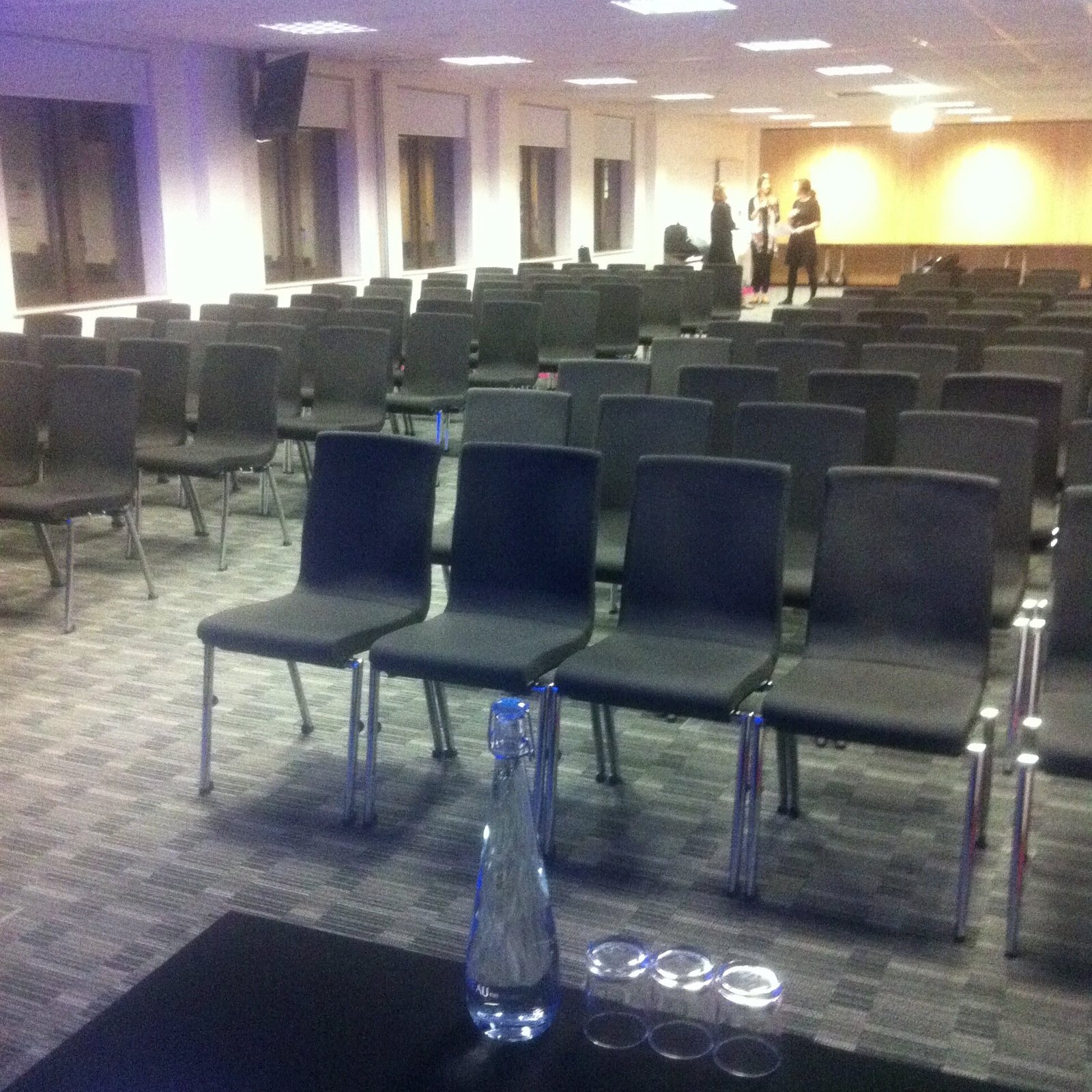
A few Tuesday’s ago I was invited to be on the panel at a Teach First event, where we were exploring the idea of Leaders as Motivators. This got me thinking about the role of the teacher; the leader, the motivator, the coach, the role model, the mentor.

Teachers have a lot going on in the classroom, as well as teaching there are the behaviour challenges that they face form both the young people and sometimes their parents. There are the continual changes around what and how to teach. And then there are the tests, where the teacher is held responsible for the young people achievements/results and in turn this reflects on the schools position in the league tables.

No wonder teachers are stressed out, having trouble with their time management and life balance, and at the same time we expect them to be brilliant.

So a question might be, how does a teacher manage all these roles?

Well I think the answer is in how they lead, how they motivate, and how they inspirer those around them.

When I work in schools, it’s clear to see those teachers who understand that they are the leader in the classroom, but that doesn’t mean they are the ruler. They have conversations with the young people they teach, are strong, fair and consistent. That way the young people know where they stand, knows the rules of the classroom and the boundaries of the teacher.

The teachers that are able to engage their class in learning, through stories, personal experience, creative activities, are also motivating and inspiring. The young people are excited to learn and want to learn. However it takes time and energy to create exciting engaging lessons, which is where the time management comes in, which is an area a teacher and a coach can work on.

A lot of teachers find that they are overwhelmed with the amount of work that have placed in front of them. I wish I could cast a magic spell and make it disappear…bit that’s not quite possible yet. However what is possible is working together, working in teams so that you are able to share the workloads, share experience and share skills.

Once you have that motivated engaged classroom, the chances are that you will have no need to manage behavioural. Where you do have behaviour issues, you can take on the coaches role to explore what is needed, what’s going on in that young persons world, perhaps using the 3Fs model.

Asking questions to expand awareness, awareness by the young people of how their behaviour impacts their learning, and their future. A lot of the challenging young people I work with, have very little idea of how their behaviour will impact them in years to come. I remember talking with one young man who had been arrested for breaking windows for fun, and then, as the session moved on he realised that his actions would now stop him from travelling to America.

A teacher who is able to listen to a young persons challenge and help them find a solution through questions and a sharing of their own experience, steps into the role of the mentor. Able to both listen and share relevant experience. I’m not saying that teachers should share their life’s story with young people, but simply remember that they were young once, may have had similar challenges, and are able to give some options, ideas, and show that there is a positive way forward.

It’s not an easy life being a teacher, but it is certainly a rewarding one. We remember our great teachers, and perhaps teachers, coaches, and mentors working together can create great classrooms too.

I wonder how you might manage the various roles that are presented to you as a teacher,  a leader, motivator, coach, role model or the mentor?

Creating Safe Space

I’m doing some reading this week; Change Your Life In 7 Days by Paul McKenna. I was reading it as part of my NLP and Hypnotherapy studies, and as I’m reading it a few thoughts came to mind.

As always everything I read or come across, I think about how it would work with young people, how I can change, adapt or develop it. I have this belief that whether I’m working with adults, teenagers or young children, the approach and ideas are the same, it’s just the language that changes, and it doesn’t really change, it’s just that you find the access point for whoever it is you are working with, but the content is still the same.

The book starts off by talking about our thinking, and some of us are already aware of the ideas around, what we think we create, and that our thinking creates our experiences. Henry Ford said, ‘Whether you think you can or you think you can’t, you’re probably right’.

So this leaves me thinking about young people’s thinking, and how we enable them to have the thoughts that says they can, how do we create environments that allow them to have positive images about themselves and their abilities.

The first points of call are the parents and the teachers, they are the ones who are in contact with young people most of their formative years. So part of enabling young people to have positive images of themselves, is by enable teachers and parents, giving them the  ability and skills to create the environments where these thoughts can be about what they can do, and how great they can be.

There are ideas that Paul McKenna shares about our thinking of ourselves, he calls it: The Three Selves; and at the heart of our three selves is our authentic self, the real us, the person we are deep down.

The work that I do with young people tells me that the only way you can access the authentic self is when the environment is one where the young people feel safe. So as Parents, Teachers, Mentors, Youth Coaches and Dynamic Youth Coaches, we have to find ways of creating this safe space. And a first step might be to ask the young people we work with, what would make a safe space for you?

I’m keen to hear their responses, so if you work with young people please ask and let me know their answers. In the mean time, perhaps ask yourself what would a safe space look like, feel like, sound like for you to be your authentic self?

Wouldn’t it be wonderful if…

Wouldn’t it be wonderful if all this positive appreciation for sporting achievement could be transfered into the classrooms, the youth clubs, the street corners. And young people began to see how hard work and determination works.

If they could see that setting goals in the first place, was one of the first steps on the journey to achieving them and the work you put into achieving them was the second. That goals are an important part of life, being able to know what you want and move towards it, knowing what you are aiming for, able to put the hard work in and be supported in the process.

Like the sports men and women, supported by your coach, trainer, physio, family, and all the people that are in the background, enabling you to make it happen.

And I wonder how many young people feel this support around them? From school, friends, and family. How many of them have a Youth Coach to work with them, a Mentor to share their knowledge and experience.

Some schools are doing a fabulous job of supporting their young people, other schools are doing the best they can. As a Youth Coach, I want everybody, every young person to have that support, that guidance, to be in a position where they are able to see the opportunities and possibilities of the life before them, able to see the positive changes and contributions they can make.

Working with young people can be challenging, I know this to be true, however when you get past that, get to where they are, their start point and work with them. The rewards are amazing and something to be proud of, both for you and them.

I listened to the athlete, the long jumper who is now an Olympic gold medalist, Greg Rutherford, talk about nearly giving it all up, and with the help of the team behind him was able to continue. Wouldn’t it be great if we could be part of that team for young people, as teachers, coaches and mentors. Working with them to achieve their own golds, their own goals.

I work in schools, youth clubs, summer schools and on projects to be part of making this happen. Let me know where and how you work with young people to facilitate their goals and dreams, perhaps we can find ways to work together.

Why I do what I do. Part 2. The Drama Teachers

It’s the end of senior high and we have finished our exams. I say finished, I didn’t really take them, in fact I had no idea back then what you were supposed to be doing, no guidance or understanding of study skills. I’m sure somebody told us what to do, but that was were the problems begin, they told us.

As a Dynamic Youth Coach, it’s not about telling, it’s about asking questions, understanding who the young people are, perhaps using the Feel, Fact, Future model to get a detailed understand and create a real connection with the young people. It’s also about mentoring, sharing your own experiences so that the young people realise that you too are a person.

So picture this; I have just finished my exams, and haven’t done very well, that’s the polite way of putting :-) . I go to see my drama teacher. Drama had been the one area where I had found an understanding, a connection with learning. I had loved being in the class and creating theatre. Turning to my drama teacher, I say;

“I haven’t done very well Miss, but I could stay on and do drama, that would be fun” 

She looks at me and replies;

“Don’t bother, you’ll never make it into drama school, and even if you do, you’ll never be able to afford it, so don’t waste your time”

Step into my life my second drama teacher, a different woman completely. My youth coach, although they didn’t have that name back then. I met her at the Weekend Arts College, a place where young people got together on Saturday and Sunday mornings to do dance, drama and music classes. But it was more than that, it was a place where they showed young people that there are possibilities, that you can have dreams. And by putting in the hard work you can make a difference in your life.

They listened to how we felt about the world, and helped us create theatre that mirrored that. We looked at the facts of our worlds, what were our skills, who to turn to, where to find support, how to adapt how you behave in order to get that audition or into college. Then together we planned the future, exploring the possibilities of dance or drama school, university, becoming performers or teachers, or simply using the skills we had learnt in other working environments.

This way of working developed our teambuilding skills, our communication, our confidence and self esteem. We went from a group of young people with no ideas or hope, into a group of young adults with dreams, ideas and respect for others.

And the question I ask myself is ”which drama teacher do I want to be?” 

I don’t even have to think about it. The second drama teacher. The only way to create a world where people get on and work together, is to work with young people, is to help them see the possibilities in their world. To truly listen to what they have to say, without judgement, and respond in positive, open and honest ways. To create relationships with young people where they not only want to talk to you about what is going on for them, but are also willing to listen and hear the questions you offer them.

I believe that we have to find ways to connect with young people in order to create change. And as a Dynamic Youth Coach, that’s what I do. Because if we do not connect, if we don’t listen, if we don’t offer help and support….who will?

Some are lucky enough to have wonderful, supporting and loving parents, others are not so lucky. This very morning I was at the train station where a couple were having a heated discussion about each others friends, a child of about 4 sat in between them as they smoked their joint and used the most creative language ever. This child sat their listening and watching, and learning that that’s how adults communicate, that’s the way people behave.

And I wondered who was going to be there for her, who was going to enable her to find new possibilities, help her to become a positive member of her society? The first drama teacher won’t, the second will. Perhaps that second drama teacher will be you, a youth coach, helping her and other young people see the possibilities of a different future.