 I was reading a blog this morning on NLP and they mentioned how a lot of practitioners don’t know what process or technique to use with their clients. Because they are focused on the processes rather than being focused on the person’s needs.
When I train my Person Centred NLP course, I remind my students that I’m only teaching them those NLP processes so they can later on draw on them or even more importantly use only part of them to match the needs that their clients bring into the session.
This morning my client came in requesting my help to deal with her recent break up. She was still hanged onto the guy, felt angry with him and didn’t feel she could manage alone to move on. So I thought of doing a couple of grieving processes, such as the De-cording one (invented I believe by Connirae Andreas) as well as a lovely process I call The Cloud that involves identifying what the person got from the relationship and access those resources in a more direct way.
In the middle of the decording process, my client got stuck in her anger for her ex, and decided she needed to let go of that feeling before being able to move further. So I drew part of Dilts’s reimprinting process, giving her inner representation of her ex-boyfriend the resources he was missing in order to be able to symbolically handle the break up the way my client needed.
But as soon as that part was dealt with, she got in touch with the remnant of a limiting belief we’ve addressed last week, that she is not worthy of love. We had performed a lovely reimprinting process on that belief in our last session, got some amazing shifts, and she just needed to recall the new empowering words of her Dad that we had created during that process.
We then went back to the decording process and she felt she couldn’t let go fully of her ex. Because this time she needed the grieving Cloud process, even though I had planned to do it after the decording. So off we went into the Cloud, in order to finish the decording, using bits of reimprinting here and there.
I finished the session future pacing my client, and that’s when we realised she needed to do the re-cording bit of her decording process with the symbolic future man of her life. So we worked on her future timeline, linking her with her new potential partner whilst finishing the future pacing.
I felt I was playing with russian dolls all along integrating one process in another, and my clients concluded the session feeling much better and able to let go of her past relationship. I don’t believe she would have been able to go there so quickly if I had only used a standard process the way I had been taught. It’s a little bit like juggling, you need different balls in order to make it work.
Let me know your thoughts on which processes you find useful to combine for the good of your clients!
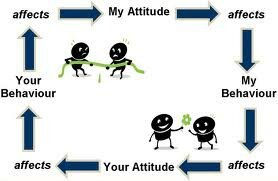
 Mind reading can be deceitful and lead to conflicts. When you hear yourself talking in this way, make sure you’ve got hard evidences to support your statement. Or more likely, start to wonder what other explanation there could be for their behaviour…